


More than 114,000 families have been affected by snowfall, rain and flooding in six Bolivian departments since Aug. 11.
The weather has also damaged nearly 29,000 hectares of crops and affected more than 209,000 head of livestock. Rains and snowfall have damaged 28,799 hectares of crops and affected more than 209,000 head of livestock across six departments.
More than 114,000 families have been affected by snowfall, rain and flooding across six Bolivian departments since Aug. 11, with 28,799 hectares of crops damaged and 209,143 head of livestock affected, Bolivia’s Civil Defense agency said Monday.
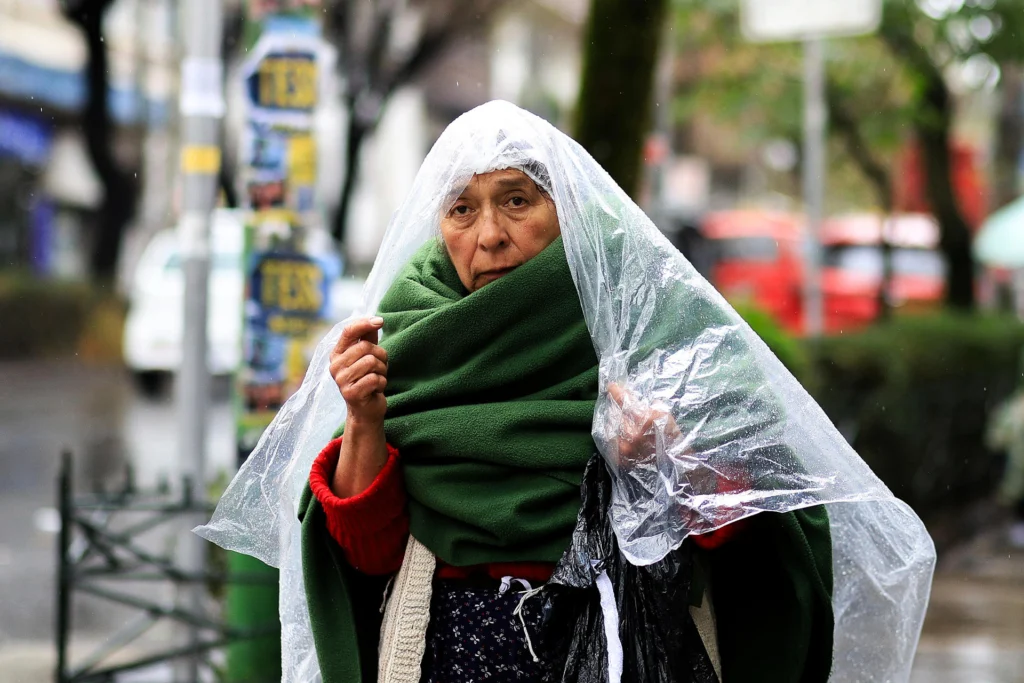
The emergency has hit 46 municipalities in La Paz, Cochabamba, Oruro, Tarija, Potosí and Chuquisaca. Civil Defense said 103,488 people were affected by snowfall, while another 11,144 were affected by rain and flooding.
The agricultural and livestock losses have been concentrated mainly in Potosí. Civil Defense is preparing assistance operations for families directly affected by the adverse weather.
Authorities are monitoring weather conditions across the country and preparing measures to respond to emerging emergencies.
Text Reads: ❄️ Heavy snowfalls in western Bolivia have left 26,220 families and 323 communities affected in the Andean region, with Potosí as the department hardest hit by the storm. In Uyuni, a strategic area due to its lithium reserves and tourist circuit, 8,364 families have been reported affected.
❄️ Share and comment if your community is also facing this climate emergency.
“The priority is to protect affected families and maintain continuous monitoring across the country,” Roberto Rivero, vice minister of Civil Defense, told reporters.
The damage was recorded between Aug. 11 and Aug. 24, when snowfall, rain and flooding affected communities in western Bolivia.
El Súper Niño forecast
The emergency comes ahead of a period that Bolivia’s Institute of Hydraulics and Hydrology at the Universidad Mayor de San Andrés expects to be affected by the climate phenomenon known as El Súper Niño.
The institute said the phenomenon, which involves a two-degree Celsius rise in temperatures, is expected to affect Bolivia between September and November with greater intensity than in previous years.
It warned that the phenomenon could threaten water supplies and the glaciers of the Andes.
Civil Defense said it will continue monitoring weather conditions and deploying assistance to affected areas.
Author: MK
Source: Agencies


0 Comentarios